
Retail Financial Management
Retail Accounting Services for Stores and Merchants
Turn register activity, online orders, returns, discounts, inventory purchases, payroll, vendor bills, and sales tax records into reports that help you run the store, built for Texas retailers with one location or several.
- POS reconciliation
- Inventory records
- Sales tax support
Retail Margin Reality
Keep Your Retail Numbers Clear as You Grow
Retail owners often see plenty of sales activity but still struggle to answer simple questions: which products are moving, how returns affect income, whether discounts are eating margin, and how much cash is tied up in inventory. This is exactly where accountants for retailers earn their keep.
01
Sales Are Not Just Deposits
POS sales, ecommerce orders, gift cards, refunds, store credits, discounts, fees, and timing differences need separate treatment.
02
Inventory Drives Profit
Purchases, freight, shrink, damaged goods, returns, markdowns, and cost of goods sold affect the story behind revenue.
03
Sales Tax Needs Discipline
Tax collected, taxable and non-taxable sales, marketplace activity, filings, and payments should be easier to trace.
Register to Ledger
Keeping Different Retail Records Organized
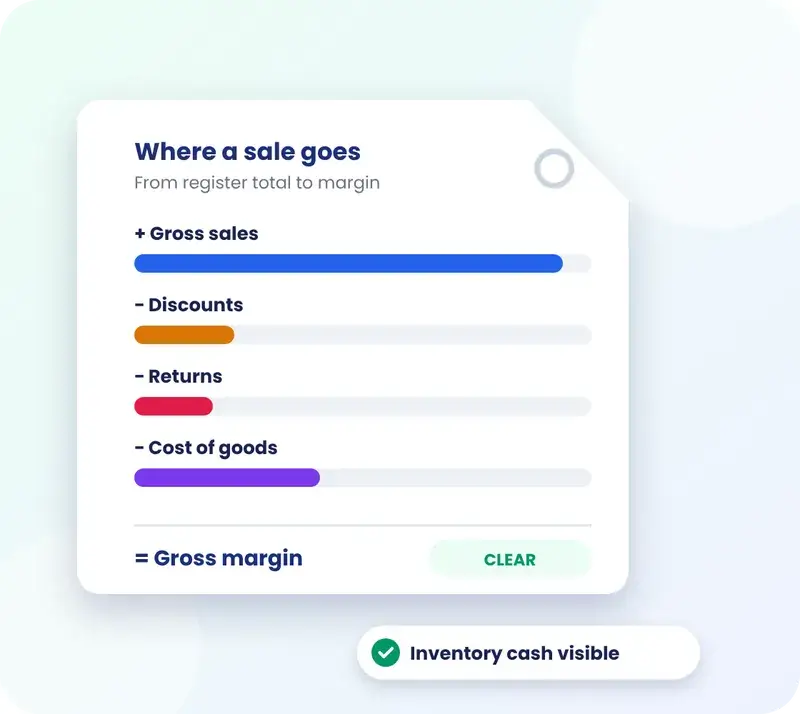
Accounting for retail stores means a useful file preserves the difference between what sold, what was returned, what was paid in fees, and what cash actually landed in the bank.
POS Sales Activity
Register summaries can be reviewed for gross sales, payment types, discounts, refunds, gift cards, store credits, and sales tax.
Card Processor Deposits
Merchant batches, processing fees, settlement timing, chargebacks, and bank deposits can be compared to sales reports.
Cash and Drawer Records
Cash sales, deposits, overages, shortages, cash payouts, and owner cash activity can be organized from close reports.
Returns and Exchanges
Refunds, store credits, exchanges, damaged merchandise, and restocking activity can be separated from regular sales.
Inventory Purchases
Vendor purchases, freight, import costs, packaging, product supplies, and purchase orders can be categorized for review.
Cost of Goods Records
Inventory adjustments, product costs, shrink, markdowns, and COGS support can be included when records are available.
Sales Tax Files
Tax collected, exempt sales, marketplace records, filing summaries, and payment confirmations can be organized each period.
Payroll and Staff Costs
Employee wages, commissions, overtime, store manager pay, payroll taxes, and owner payroll can be tied to the books.
Vendor Bills
Product vendors, rent, utilities, software, packaging, shipping, repairs, security, and cleaning bills can be tracked.
Online Sales Channels
Shopify, marketplace, or website sales can be reviewed alongside in-store activity when the business sells through more than one channel.
Owner and Transfer Activity
Owner draws, contributions, reimbursements, inter-account transfers, and business card activity can be kept out of store expenses.
Financial Statements
Reports can be prepared for income, expenses, inventory-related items, payroll, sales tax records, and filing support.
Store Systems
The Source Records Behind Retail Accounting
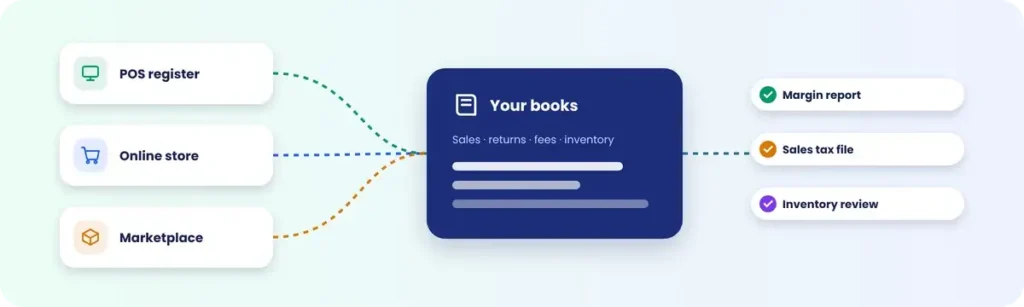
The accounting workflow starts with the systems already running the store. Access and report availability determine how sales, stock, deposits, payroll, and tax records are organized.
POS Platforms
Square, Clover, Shopify POS, Lightspeed, Toast Retail-style reports, or similar systems can provide sales and tender details.
Shopify and Online Stores
Store orders, refunds, discounts, shipping, gift cards, app fees, and payout reports can be reviewed with the books.
Marketplace Reports
Amazon, Etsy, Walmart Marketplace, and other sales channels may create deposits with fees, refunds, adjustments, and reserves.
QuickBooks and Xero
Retail transactions, bank feeds, reconciliations, vendor bills, payroll records, sales tax files, and reports can be managed in the accounting platform.
Payroll Platforms
Gusto, ADP, QuickBooks Payroll, and similar records can support employee wages, commissions, payroll taxes, and year-end forms.
Inventory Reports
Stock counts, purchase orders, receiving reports, shrink notes, damaged goods, and product cost records can support inventory review.
Vendor Statements
Product invoices, freight bills, supplier credits, packaging, repairs, rent, utilities, and software costs can support payables.
Tax Documents
Sales tax filings, payroll summaries, contractor records, fixed asset details, and year-end reports can be gathered for filing.
Regulatory Focus
Origin-Based Sales Tax and Resale Certificates for Texas Retailers
Two rules trip up more Texas retailers than anything else in sales tax. One is where the tax rate comes from. The other is what protects you when you buy inventory tax-free.
Origin-Based Sourcing
Texas charges local sales tax based on where your store is located, not where your customer lives. A location in Dallas and a location in Austin can owe different combined rates on the same product.
Resale Certificates
Buying inventory for resale lets you skip sales tax at the wholesale level using a resale certificate. Accepting or issuing an incomplete one shifts the tax liability onto your business later.
Marketplace and Online Sales
Sales through Shopify, your own website, or a marketplace can follow different sourcing rules than in-store sales, especially once orders ship outside your local rate area.
Origin-based
Local sales tax follows your store's location, not the customer's, for in-store Texas sales
8.25% max
Combined state and local sales tax rate cap across Texas
Form 01-339
The Texas resale certificate that documents a tax-free wholesale purchase
We keep resale certificates on file for wholesale purchases, track which combined rate applies to each of your locations, and separate in-store sourcing from marketplace and online sourcing rules.
Sourcing rules and certificate requirements can vary by transaction type. This section is general orientation, not tax advice for your specific store.
Shelf to Statement
How Retail Sales Show Up in Your Books
Retail sales accounting connects what happens at the shelf, register, vendor counter, payroll system, and bank account into one monthly view.
01
Buy Stock
Vendor invoices, freight, receiving records, purchase orders, and product categories are reviewed when merchandise enters the business.
02
Sell Products
POS and online sales are separated by payment type, discounts, refunds, gift cards, sales tax, and channel when reports allow.
03
Match Deposits
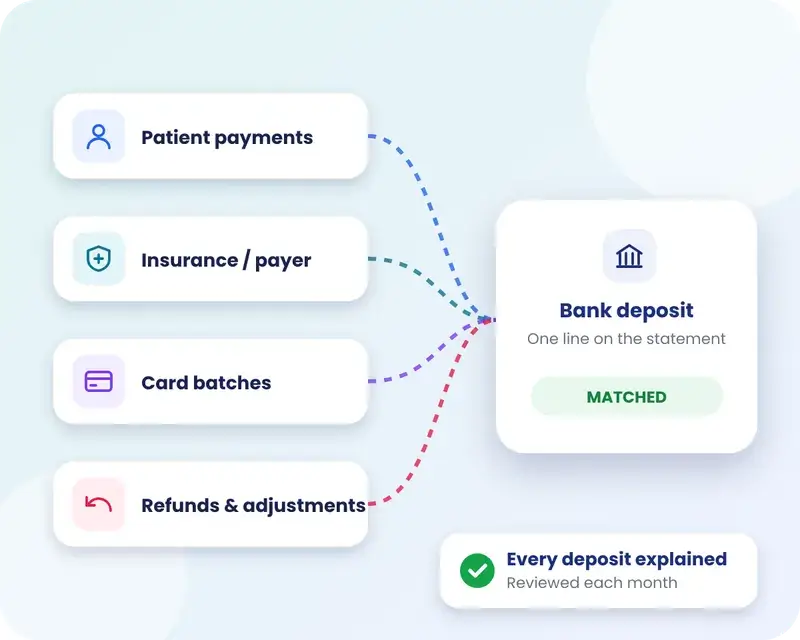
Card payouts, cash deposits, marketplace transfers, processor fees, and timing differences are compared with sales records.
04
Track Costs
Inventory purchases, payroll, rent, utilities, shipping, packaging, repairs, and software are categorized for monthly review.
05
Read Reports
Financial statements are prepared for margin review, cash planning, sales tax support, payroll visibility, and filing readiness.
Accounting Touchpoints
Connecting Your Retail Finances to Daily Operations
Retail bookkeeping services do more than track sales. They connect inventory purchases, payroll processing, back-office support, sales tax, tax filing, and business formation support into a more organized financial system for retail businesses.
Retail Bookkeeping
Monthly records for POS sales, online orders, refunds, deposits, merchant fees, vendor bills, payroll, and owner activity.
- Register and bank reconciliation
- Inventory purchase categorization
- Monthly financial statements
Retail Payroll
Payroll records for sales associates, store managers, warehouse staff, commission plans, contractors, and owners.
- Employee wage records
- Commission and contractor tracking
- W-2 and 1099 organization
Retail Back Office
Retail back office support covers vendor bills, supplier credits, rent, utilities, subscriptions, repairs, shipping costs, and recurring operating expenses.
- Accounts payable tracking
- Vendor statement organization
- Open item follow-up
Retail Tax Filing Support
Filing-ready records for income, deductions, inventory-related activity, sales tax files, payroll summaries, and fixed assets.
- Sales tax record support
- Year-end financial packages
- Inventory and deduction records
Retail Business Formation
Start your retail business with LLC or corporation formation, EIN registration, tax setup, and accounting support tailored to retail stores and shop owners.
- LLC & corporation formation support
- EIN & business tax registration
- Retail business setup support
Retail Models
Bookkeeping That Matches the Way You Sell
Retail accounting changes when sales happen in a physical store, online cart, marketplace, pop-up booth, or multiple locations, which is why bookkeeping for small retail business owners looks different from a multi-location chain.
Boutiques and Apparel Shops
Retail shop accounting for seasonal inventory, markdowns, returns, gift cards, staff wages, vendor purchases, and sales tax activity.
Specialty Retail Stores
Bookkeeping for product categories, supplier bills, shrink, repairs, memberships, register activity, and merchant deposits.
Multi-Location Retailers
Support for separate registers, store-level sales, payroll by location, transfers, vendor bills, and location reporting.
Online and In-Store Sellers
Accounting for POS sales, ecommerce orders, marketplace payouts, shipping charges, returns, discounts, and inventory records.
Pop-Up and Event Retail
Records for mobile payment activity, booth fees, event sales, inventory movement, travel costs, and temporary staffing.
Gift, Home, and Lifestyle Shops
Support for product purchasing, packaging, consignment-like records where applicable, retail payroll, rent, and store overhead.
Owner View
Numbers Retail Owners Need Beyond the Bank Balance
A store may have cash in the bank while money is locked in slow-moving inventory, refunds, supplier bills, or payroll timing. The right records help surface those pressure points.
Gross Margin Signals
Sales, discounts, returns, inventory costs, freight, and markdowns can be organized so margin is easier to discuss.
Inventory Cash
Retail inventory accounting covers purchases, stock counts, shrink, damaged goods, and old inventory that show where cash is sitting on shelves.
Sales Channel Mix
In-store, online, marketplace, wholesale, event, and pop-up sales can be separated when reports support it.
Payroll and Staffing
Store wages, overtime, commissions, manager pay, payroll taxes, and contractor costs can be reviewed against sales activity.
Sales Tax Position
Tax collected, taxable sales, exempt sales, filings, payment confirmations, and marketplace records can be kept in order.
Vendor Commitments
Supplier bills, rent, shipping, credit card balances, purchase orders, and recurring costs can be easier to review before cash gets tight.
Monthly Store Close
A Retail Accounting Routine That Keeps the Store Current
Retail records lose usefulness when months of sales, returns, bills, and inventory questions pile up. A monthly close keeps the bookkeeping closer to how the store operates.
01
Collect Reports
POS summaries, online sales reports, bank statements, payroll summaries, vendor invoices, and sales tax records are gathered.
02
Sort Activity
Sales, refunds, gift cards, deposits, inventory purchases, payroll, owner activity, and vendor bills are mapped into the books.
03
Reconcile Accounts
Bank accounts, credit cards, merchant deposits, marketplace payouts, loans, and payroll activity are checked against records.
04
Flag Questions
Missing invoices, unclear deposits, inventory adjustments, unusual refunds, sales tax gaps, and uncategorized items are listed.
05
Prepare Reports
Reports are prepared for sales, margin discussion, inventory records, cash flow, payroll visibility, and filing support.
The Comparison
Why Store Owners Call Us a Trusted Retail Accountant in Texas
Store owners who look into retail accounting solutions usually compare three paths before deciding. Handle the books alone, hire a general bookkeeper, or work with a retail accountant who already understands POS layers and inventory costing.
| What You Need | DIY Software | Generalist Bookkeeper | Elite Accounting |
|---|---|---|---|
| POS and marketplace deposit reconciliation | Manual and time consuming | Rarely offered | Included every month |
| Inventory and COGS tracking | You configure it yourself | Limited retail experience | Built into the monthly workflow |
| Resale certificates and sourcing rules | Not tracked automatically | Occasional at best | Actively managed |
| Multiple sales channels (in-store, online, marketplace, and more) | Manual setup per channel | One approach for every client | Native to how we work |
| Direct point of contact | Support forums only | Varies by provider | A dedicated accountant |
| Tax filing coordination | Separate tool or provider | Sometimes a separate provider | Coordinated with your bookkeeping |
Investment
What Does Retail Accounting Cost?
Pricing depends on location count, sales channels, and whether you need payroll or back office support layered in. Your quote is set after a free consultation reviews your store.
Bookkeeping
Starting at
$199
per month
Business Accounting Services
Starting at
$1,000
per year
Personal Accounting Services
Starting at
$1,500
per year
Common Questions
Common Retail Accounting Questions
Answers for store owners comparing retail bookkeeping, POS reconciliation, inventory accounting, payroll support, sales tax records, and tax filing support.
Retail accounting services help stores and merchants organize POS sales, card deposits, cash activity, inventory purchases, returns, discounts, sales tax records, payroll, vendor bills, and monthly financial reports.
Retail businesses deal with register activity, refunds, gift cards, product costs, inventory movement, merchant fees, sales tax, payroll, and supplier bills that need more context than a basic bank feed can provide.
Yes, POS summaries, cash deposits, card settlements, marketplace payouts, processor fees, refunds, and timing differences can be reviewed when the reports are available.
Inventory support depends on the records your store keeps. Vendor bills, purchase orders, stock counts, adjustments, shrink notes, and product cost records can be organized for review.
Yes, in-store POS sales, Shopify or ecommerce orders, marketplace payouts, refunds, shipping charges, merchant fees, and sales tax records can be coordinated in the accounting workflow.
Yes, Retail accounting can prepare records for income, deductions, payroll summaries, sales tax activity, inventory-related records, fixed assets, contractor payments, and other filing documents.
Get Started Today
Make Your Retail Records Easier to Read Each Month
Schedule a free consultation and review what your store needs for POS reconciliation, inventory records, payroll, vendor bills, sales tax support, back-office help, or filing-ready reports.
Free 30-minute consultation · No contracts · Cancel anytime